This week, I brought my cat in for an annual checkup.
Good news: everything looked normal.
But there was one small note from the vet:
"There's some yeast seen in the stool sample."
No medications. No urgent concerns. Just one simple recommendation:
Clean food and water bowls more frequently.
That got me curious — is this something to worry about?
What Does "Yeast in Cat Poop" Actually Mean?
Finding yeast in a stool test does not automatically mean your cat is sick.
In many cases:
- Yeast can naturally exist in small amounts
- It may come from food, environment, or normal gut flora
- Labs sometimes detect it even when the cat is perfectly healthy
The key point: context matters more than the finding itself.
If your cat:
- Eats normally
- Has normal stool
- Is active and behaving as usual
Then this is often not a serious issue.
When Should You Pay More Attention?
Yeast becomes more relevant if it comes with other symptoms.
Watch for:
- Diarrhea or soft stool
- Mucus in stool
- Vomiting
- Weight loss
- Low appetite
- Frequent litter box visits
If you notice any of these, follow up with your vet.
Why Bowl Hygiene Matters More Than You Think
This was the main takeaway from my vet.
Food and water bowls can develop:
- Bacteria buildup
- Biofilm (a slimy layer you might not always see)
- Contaminants from leftover food
Over time, this creates an environment where microorganisms — including yeast — can grow.
Even if it doesn't cause illness, it's not ideal for long-term health.
Simple Habits That Make a Big Difference
Here's what I'm doing now:
Daily
- Wash food bowls with hot water and dish soap
- Replace drinking water with fresh water
Every Few Days
- Clean water bowls thoroughly
- Wipe feeding area
For Wet Food Feeders
- Don't leave food out too long
- Clean bowls after each meal
Extra Tip
Use stainless steel or ceramic bowls — they're easier to clean than plastic.
What I'm Monitoring Going Forward
Even though everything looks good, I'll keep an eye on:
- Stool consistency
- Appetite
- Energy level
- Litter box habits
If anything changes, I'll follow up with the vet.
Choosing the Right Bowl Material
Not all cat bowls are created equal when it comes to hygiene.
Stainless Steel Bowls (Best Overall)
- Most hygienic option
- Non-porous and highly resistant to bacteria
- Very easy to clean and sanitize
- Durable and long-lasting
- Vet-recommended standard
Ceramic Bowls
- Non-porous when properly glazed
- Less likely to trap bacteria and odors
- Easy to clean
- Heavier (harder to tip over)
- Good choice for daily use
Plastic Bowls (Least Recommended)
- Can develop tiny scratches over time
- Scratches trap bacteria and yeast
- Harder to fully clean
- May cause chin acne in some cats
- Best to avoid for long-term use
What If I Only Have Plastic Bowls?
If you're currently using plastic bowls, don't panic — but take a few precautions.
Clean More Frequently
- Wash daily with hot water and dish soap
- Rinse thoroughly
- Let dry completely
This is the most important step.
Check for Scratches
Plastic bowls develop micro-scratches over time.
If you see scratches, replace the bowl.
Replace Regularly
Even if they look fine, plastic bowls should be replaced every few months.
Avoid Sprays or Coatings
There are no safe food-grade sprays designed to "protect" pet bowls.
Adding coatings can introduce unwanted chemicals into your cat's food or water.
A Simple Upgrade That Makes Life Easier
If you want a long-term solution, upgrading your cat's bowls is one of the simplest improvements you can make for hygiene.
- Stainless steel bowls offer the best hygiene and are easiest to clean
- Ceramic bowls are a great alternative if high-quality
Plastic bowls are okay short-term, but upgrading is worth it.
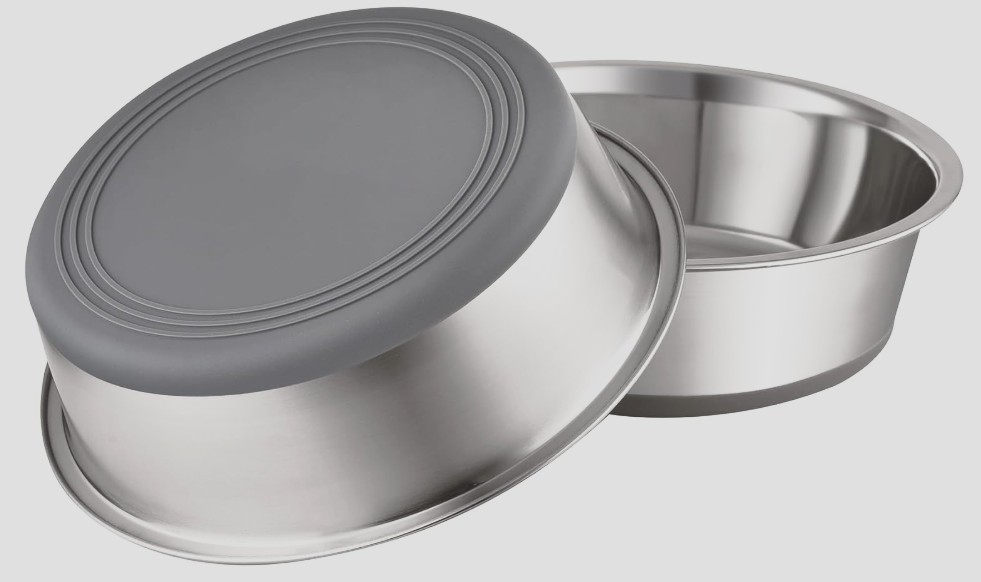
Stainless Steel Cat Bowl
Non-porous stainless steel bowl that resists bacteria and yeast buildup. Easy to clean and sanitize. Durable and long-lasting. Vet-recommended over plastic bowls for better hygiene.
View on Amazon →Final Thoughts
Finding yeast in your cat's stool can sound alarming at first.
But in many cases — like ours — it's simply a minor observation, not a diagnosis.
The biggest takeaway?
Small hygiene habits can make a meaningful difference.
Sometimes, better care isn't about doing more — it's about doing the simple things consistently.
This article is based on personal experience and general information. Always consult your veterinarian for medical advice specific to your cat.
Affiliate Disclosure: This post contains affiliate links. If you purchase through these links, we may earn a small commission at no additional cost to you. We only recommend products we genuinely trust and believe will benefit your cats.