A cat's tail is more than just a fluffy accessory — it plays an important role in balance, communication, and body language. When a cat's tail suddenly becomes limp or hangs down unusually, it can worry any cat owner.
If you've noticed your cat walking around with a droopy or limp tail, don't panic right away. Sometimes the cause is minor, but in other cases it may indicate injury, nerve damage, or infection that requires veterinary attention.
In this guide, we'll explore the most common reasons a cat's tail may become limp, warning signs to watch for, and what you should do to help your furry friend recover safely.
Why a Cat's Tail Is So Important
Before diving into the causes, it helps to understand just how important a cat's tail really is.
A cat's tail helps with:
- Balance when jumping or climbing
- Communication with humans and other animals
- Emotional expression (happy, scared, irritated)
- Body coordination
Because the tail contains many small bones, muscles, and nerves, injuries can affect movement and sensation.
When something goes wrong, a limp tail may be the first visible symptom.
7 Common Causes of a Limp Tail in Cats
1. Tail Injury or Trauma
One of the most common causes of a limp tail is physical injury.
Cats are curious and adventurous, which means their tails sometimes get caught in:
- closing doors
- furniture
- car accidents
- rough play with other animals
Symptoms may include:
- tail hanging down
- swelling or bruising
- pain when touched
- sudden behavioral changes
If the tail looks bent at an unusual angle, it could indicate a fracture.
2. Nerve Damage
The nerves controlling the tail originate near the base of the spine. If those nerves become damaged, the tail may lose movement completely.
This can occur due to:
- severe pulling on the tail
- accidents
- spinal injuries
Warning signs may include:
- completely limp tail
- dragging tail on the ground
- difficulty urinating or defecating
This type of injury requires immediate veterinary care.
3. Tail Fracture
Just like other bones, a cat's tail bones (called caudal vertebrae) can break.
A fractured tail might show:
- abnormal bends
- swelling
- sensitivity to touch
- limited movement
Some minor fractures heal naturally, but others may require splinting or surgery.
4. Bite Wounds or Abscesses
Outdoor cats or cats that fight may develop abscesses near the tail base.
Signs of infection include:
- swelling or lumps
- warm skin near the tail
- pus or foul smell
- lethargy
Abscesses often need veterinary treatment and antibiotics.
5. Limber Tail Syndrome (Cold Tail)
Though more common in dogs, cats can occasionally experience a condition similar to limber tail syndrome.
It usually appears after:
- intense activity
- prolonged stress
- cold temperatures
Symptoms include:
- tail hanging straight down
- pain at the tail base
- reluctance to move the tail
This condition typically improves with rest and anti-inflammatory care.
6. Arthritis in Older Cats
Senior cats may develop arthritis in the joints of the tail.
This can cause:
- stiffness
- reduced movement
- tail carried lower than usual
Joint-support supplements may help improve mobility and comfort.

Cat Joint Support Supplement
Supports joint health and mobility in cats. Helps maintain healthy cartilage and joint function. Ideal for senior cats or cats recovering from injury. Easy to administer.
View on Amazon →7. Muscle Strain
Sometimes the cause is simply overexertion.
If your cat had an intense play session, zoomies around the house, or jumped from a high place, the tail muscles may become strained.
In mild cases:
- the tail improves within 24–48 hours
- no swelling or severe pain appears
However, if symptoms persist, a vet visit is recommended.
Warning Signs You Should Never Ignore
A limp tail isn't always an emergency, but some symptoms indicate a serious problem.
Contact your veterinarian immediately if you notice:
- your cat cannot move the tail at all
- severe pain when the tail is touched
- swelling or bleeding
- the cat cannot urinate
- the tail appears broken or twisted
- sudden loss of balance
These symptoms may indicate nerve damage or spinal injury.
What You Should Do If Your Cat's Tail Is Limp
If you notice a droopy tail, follow these steps.
1. Observe Your Cat Carefully
Check for:
- swelling
- cuts or wounds
- unusual bends
- behavioral changes
Avoid touching the tail too much if your cat seems uncomfortable.
2. Keep Your Cat Calm
Limit jumping and rough play while you monitor the situation.
A calm environment helps prevent further injury or strain.
Calming treats may help anxious cats stay relaxed during recovery.
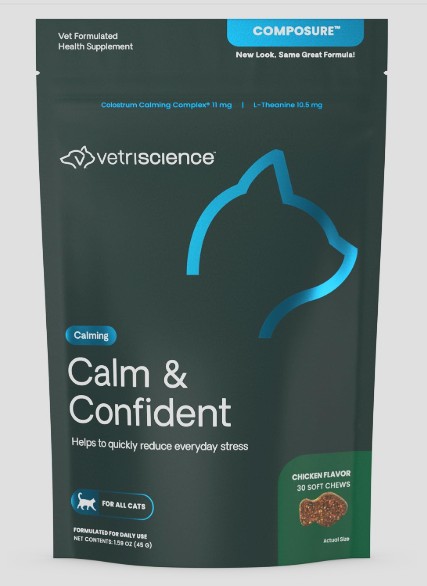
Cat Calming Treats
Helps reduce stress and anxiety in cats. Made with natural calming ingredients. Great for vet visits, travel, or recovery periods. Tasty treats cats enjoy.
View on Amazon →3. Monitor for 24 Hours
If the limp tail appeared suddenly but your cat:
- is eating normally
- is walking normally
- shows no pain
You can monitor for a short period.
If the condition does not improve within one day, contact your vet.
4. Visit the Veterinarian
Your vet may perform:
- physical examination
- X-rays
- nerve testing
Proper diagnosis ensures your cat receives the right treatment quickly.
5. Transport Your Cat Safely
If a vet visit is needed, a secure carrier keeps your cat safe and comfortable.

Cat Travel Carrier
Secure and comfortable carrier for vet visits and travel. Well-ventilated design keeps your cat calm. Easy to clean and store. Sturdy construction for safe transport.
View on Amazon →Can a Cat's Limp Tail Heal on Its Own?
Yes — some mild cases heal naturally, especially if caused by:
- muscle strain
- minor bruising
- temporary inflammation
However, nerve damage or fractures require medical care.
Never ignore symptoms that last longer than 24–48 hours.
A Quick Story From Our Cats
If you have playful cats like Maruay and Numchoke, you probably know how wild zoomies can get.
One evening after a marathon play session chasing feather toys, Maruay's tail looked slightly droopy for a few hours. Thankfully, after resting overnight, everything returned to normal.
Moments like these remind us how important it is to watch for unusual changes in our cats' bodies.
When in doubt, a quick vet visit is always the safest option.
Final Thoughts
A limp tail can be alarming, but many cases have simple explanations.
The key is to observe your cat carefully and recognize warning signs early.
Remember:
- Minor strains may improve with rest
- Injuries and infections require treatment
- Nerve damage needs immediate veterinary care
Your cat's tail is an important part of their health and communication. By paying attention to changes and acting quickly, you can help ensure your feline friend stays happy, comfortable, and playful.
Give your cat an extra scratch behind the ears tonight — they deserve it. 🐱
Affiliate Disclosure: This post contains affiliate links. If you purchase through these links, we may earn a small commission at no additional cost to you. We only recommend products we genuinely trust and believe will benefit your cats.