If you're a cat owner, you've probably experienced this moment: everything seems normal, and suddenly you hear that unmistakable "hack-hack-hack" sound from across the room.
Before you can react, your cat has thrown up on the floor.
It can be worrying — and sometimes a little frustrating — especially if it happens often. The truth is, cats vomit for many different reasons, and not all of them are serious. Some are completely normal behaviors, while others may signal a health problem that needs attention.
In this guide, we'll explore the most common reasons cats throw up, how to tell the difference between normal and concerning vomiting, and what you can do to help your feline friend stay healthy.
A Quick Story From Maruay
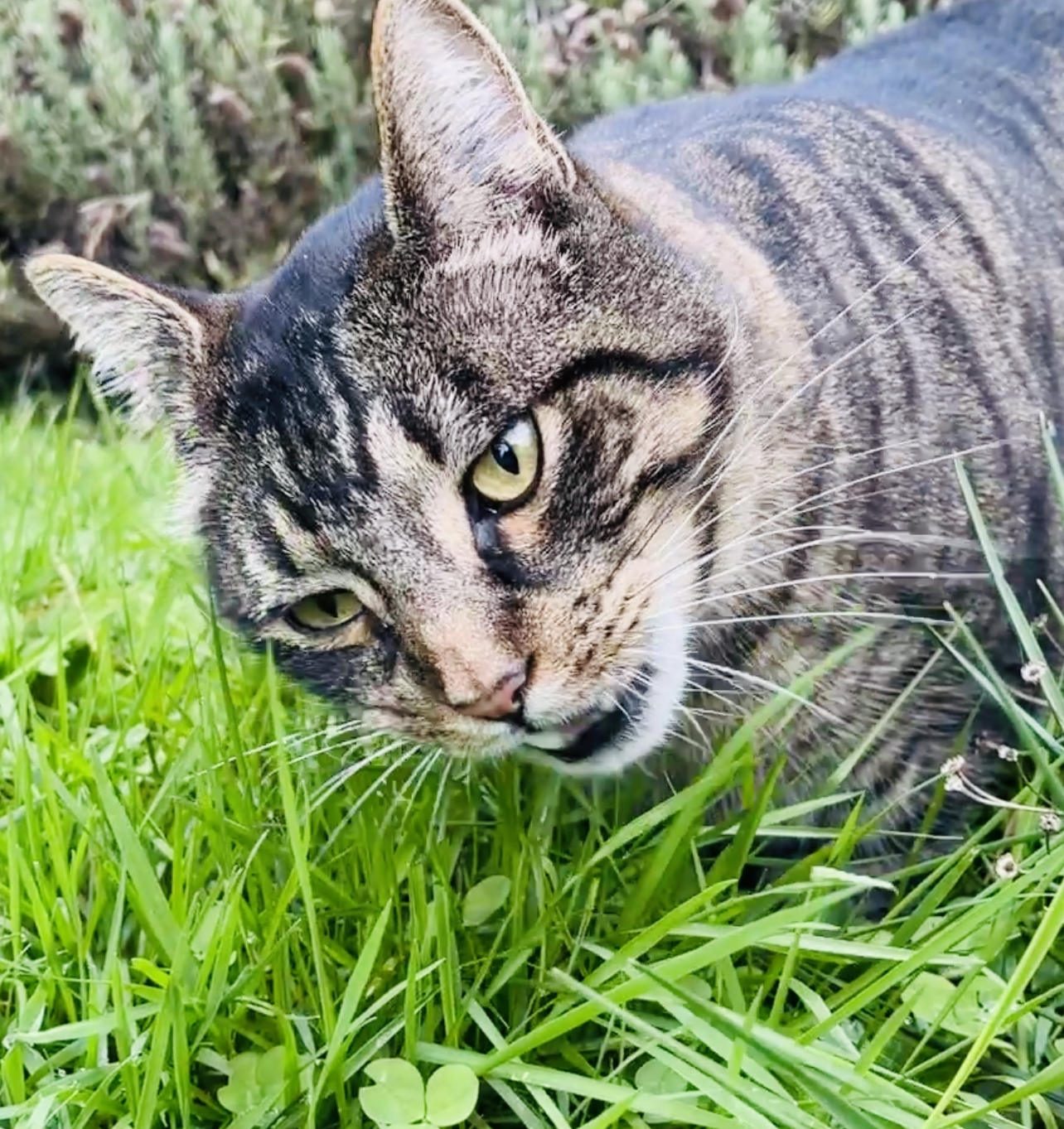
Our cat Maruay has a funny (and slightly messy) habit.
Whenever he goes outside and finds fresh grass, he happily munches on it like it's a gourmet snack. A few minutes later… you guessed it — he throws it right back up.
At first it worried us, but we eventually learned something surprising:
Many cats intentionally eat grass to help them vomit.
Grass can help cats:
- remove hairballs
- clear stomach irritation
- stimulate digestion
Here's Maruay doing exactly that:
So if your cat occasionally throws up right after eating grass, it may simply be a natural behavior rather than a medical problem.
Still, it's important to understand when vomiting is normal and when it isn't.
Is It Vomiting or a Hairball?
First, it helps to understand the difference.
Hairballs
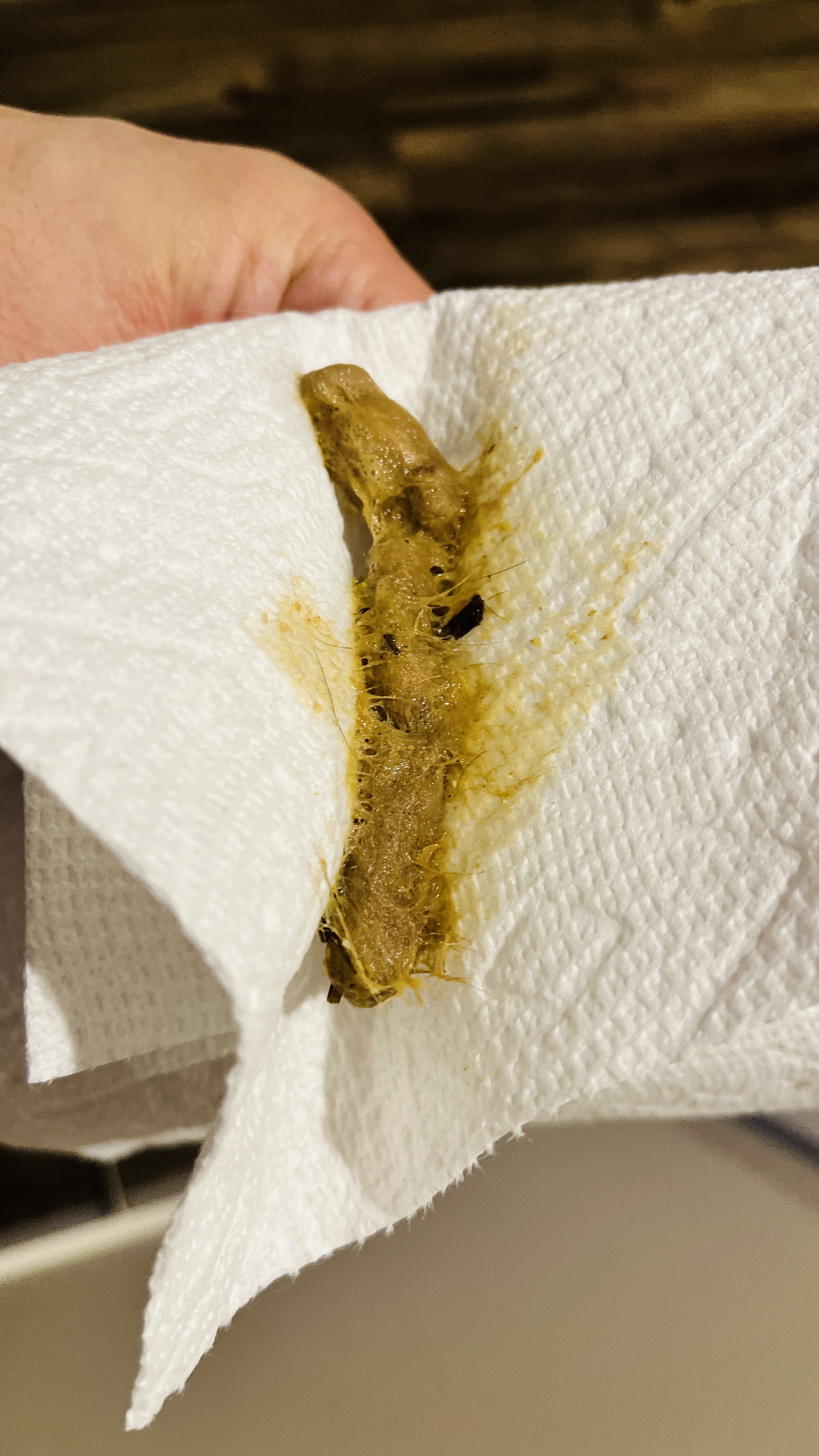
Hairballs happen because cats groom themselves constantly. When they swallow too much fur, it can accumulate in the stomach.
Signs of a hairball:
- coughing or gagging
- tube-shaped clump of fur
- occasional occurrence
Hairballs are usually not dangerous unless they become frequent.
Example of a typical hairball vomit:
True Vomiting
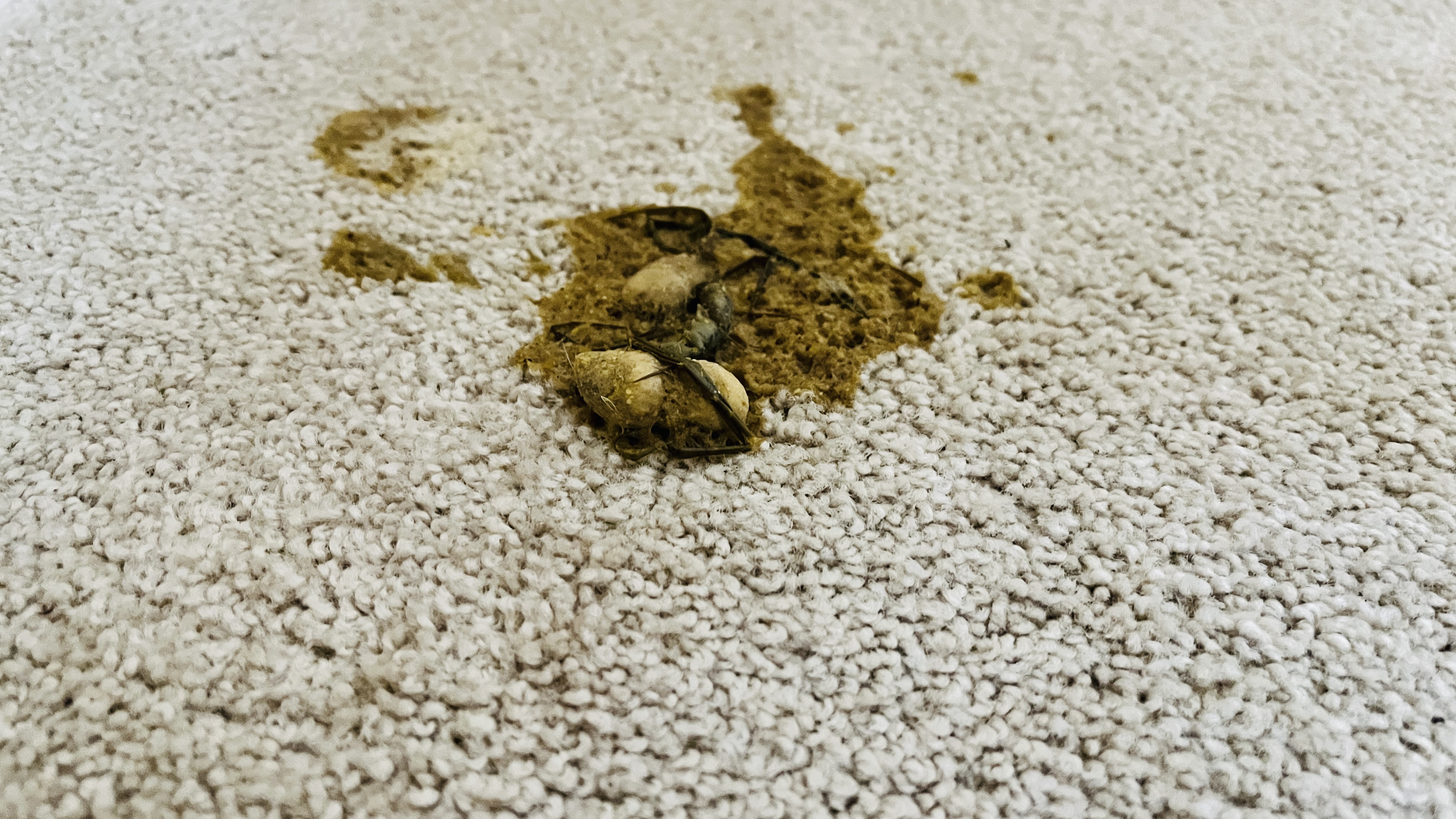
Vomiting is different. It usually includes:
- partially digested food
- yellow bile
- foam or liquid
Frequent vomiting may signal a digestive or health issue.
Example of bile vomit:
7 Common Reasons Cats Throw Up
1. Eating Too Fast
One of the most common causes of vomiting is eating too quickly.
Some cats get so excited about food that they swallow it without chewing properly. When the stomach fills too quickly, the body may react by pushing the food back up.
Signs include:
- vomiting shortly after meals
- undigested food in the vomit
- cat acting normal afterward
Using a slow feeder can help prevent this.
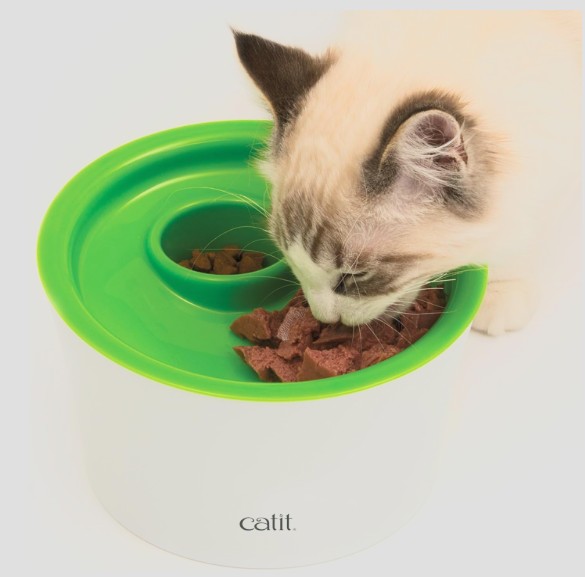
Slow Feeder Cat Bowl
Helps prevent cats from eating too fast. Puzzle-style design encourages slower eating and better digestion. Reduces vomiting caused by rapid eating. Easy to clean and dishwasher safe.
View on Amazon →2. Eating Grass
Just like Maruay, many cats love chewing on grass.
Grass can irritate the stomach lining slightly, which triggers vomiting and helps cats clear out unwanted material.
This is usually harmless if:
- it happens occasionally
- your cat behaves normally afterward
- there are no other symptoms
You can offer safe indoor cat grass to keep your cat from chewing houseplants.

Indoor Cat Grass Growing Kit
Safe, organic cat grass you can grow indoors. Satisfies your cat's natural urge to chew on greens. Helps with digestion and hairball control. Easy to grow — just add water.
View on Amazon →3. Hairballs
Hairballs are another common cause of vomiting.
Cats with long fur or heavy grooming habits are more likely to develop them.
Signs include:
- coughing before vomiting
- fur clumps in the vomit
- occasional episodes
Regular brushing and hairball remedies can help reduce the problem.
4. Food Sensitivities
Some cats have sensitive stomachs and may react poorly to certain ingredients.
Possible triggers include:
- sudden food changes
- low-quality ingredients
- food allergies
- spoiled food
Switching to a high-quality, easily digestible cat food can often help.
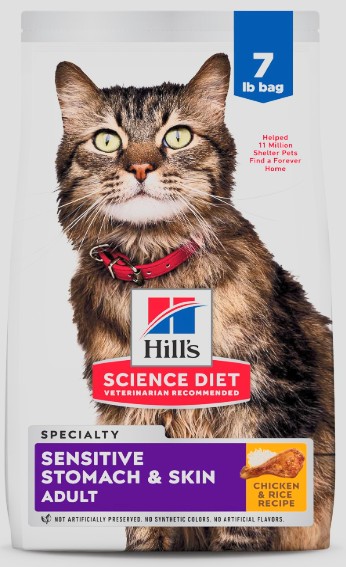
Sensitive Stomach Cat Food
Specially formulated for cats with sensitive stomachs. Easy-to-digest ingredients reduce vomiting and digestive upset. High-quality protein supports overall health. Gentle on your cat's tummy.
View on Amazon →5. Eating Something They Shouldn't
Cats are curious creatures.
Sometimes they swallow things like:
- string
- plastic
- plants
- small objects
If vomiting is accompanied by:
- lethargy
- loss of appetite
- repeated vomiting
your cat may have a foreign object obstruction, which requires immediate veterinary care.
6. Parasites
Intestinal parasites can irritate your cat's digestive system.
Symptoms may include:
- vomiting
- diarrhea
- weight loss
- dull coat
A vet can diagnose parasites with a simple test and prescribe treatment.
7. Illness or Medical Conditions
In some cases, vomiting may indicate underlying health problems such as:
- kidney disease
- pancreatitis
- hyperthyroidism
- infections
These conditions are more likely if vomiting occurs frequently or alongside other symptoms.
Warning Signs You Should Never Ignore
Occasional vomiting may be normal, but some symptoms require immediate veterinary attention.
Contact your vet if your cat has:
- vomiting multiple times in one day
- blood in vomit
- severe lethargy
- loss of appetite
- diarrhea with vomiting
- signs of pain
- weight loss
Kittens and senior cats are especially vulnerable and should be checked sooner.
What You Should Do If Your Cat Throws Up
If your cat vomits, stay calm and observe carefully.
1. Check the Vomit
While it's not pleasant, examining the vomit can provide useful clues.
Look for:
- hair
- undigested food
- grass
- foam or bile
- unusual objects
This information can help your vet determine the cause.
2. Monitor Your Cat
Watch your cat for the next 24 hours.
If your cat:
- eats normally
- drinks water
- behaves normally
it may have simply been a temporary upset stomach.
3. Provide Fresh Water
Vomiting can lead to dehydration, so make sure fresh water is available.
Some cats drink more when using a running water fountain.

Cat Water Fountain
Encourages cats to drink more water with flowing fountain design. Helps prevent dehydration and supports urinary and kidney health. Quiet operation and easy to clean.
View on Amazon →4. Avoid Sudden Diet Changes
Cats have sensitive digestive systems.
If you change food, do it gradually over 7–10 days to prevent stomach upset.
How to Prevent Vomiting in Cats
While some vomiting is unavoidable, these steps can reduce the risk.
Brush Your Cat Regularly
Brushing removes loose fur and reduces hairballs.
Feed Smaller Meals
Instead of one large meal, try multiple smaller meals throughout the day.
Keep Toxic Plants Away
Many household plants are dangerous for cats.
Provide Safe Cat Grass
Cat grass satisfies their chewing instinct without harming them.
Schedule Regular Vet Checkups
Routine exams help catch health problems early.
Final Thoughts
Seeing your cat throw up can be unpleasant and worrying, but in many cases it's completely normal.
Sometimes it's simply because:
- your cat ate too fast
- swallowed a hairball
- or enjoyed a little too much grass (just like Maruay).
The key is to watch for patterns and warning signs.
If vomiting becomes frequent or is accompanied by other symptoms, don't hesitate to contact your veterinarian.
With a little attention and care, you can help keep your cat's stomach happy — and hopefully keep your floors a little cleaner too. 🐱
Affiliate Disclosure: This post contains affiliate links. If you purchase through these links, we may earn a small commission at no additional cost to you. We only recommend products we genuinely trust and believe will benefit your cats.