Tapeworms are one of the most common parasites that affect cats, yet many cat owners don't realize their pet has them until they notice something unusual.
The most common clue is seeing small white segments that look like grains of rice near your cat's tail, on their bedding, or on the floor where they sleep.
These segments are actually pieces of a tapeworm.
While tapeworm infections are usually treatable, they should still be addressed quickly to keep your cat healthy and comfortable.
In this guide, we'll explain:
- how cats get tapeworms
- how to recognize the signs
- how veterinarians treat them
- how to prevent them from coming back
Video Guide: Tapeworms in Cats
If you prefer watching a full explanation, here is our video that walks through how to identify, prevent, and treat tapeworm infections in cats.
What Are Tapeworms?
Tapeworms are intestinal parasites that live inside a cat's digestive system.
They are long, flat worms made up of many small segments.
As the tapeworm grows, segments break off and leave the cat's body through feces or around the anus.
Each segment contains tapeworm eggs, which can infect other animals if swallowed.
Sometimes these worms can grow surprisingly long.
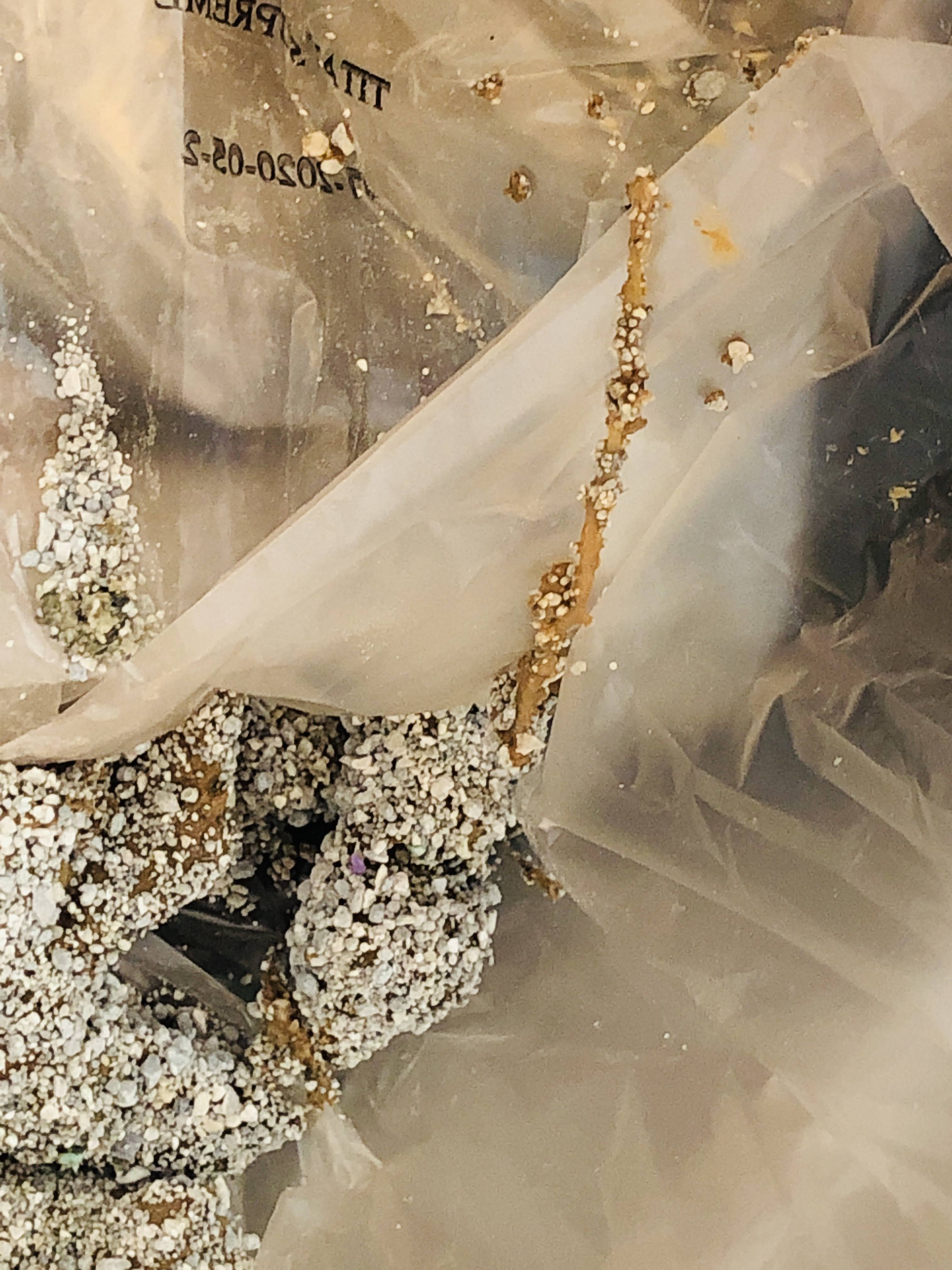
How Do Cats Get Tapeworms?
The most common cause of tapeworm infection is fleas.
Here's how the cycle works:
- Flea larvae consume tapeworm eggs.
- The flea grows into an adult flea carrying the parasite.
- A cat swallows the flea while grooming.
- The tapeworm develops inside the cat's intestine.
Cats may also become infected by eating:
- infected rodents
- birds
- contaminated prey
This is why outdoor cats are more likely to get tapeworms.
Common Signs of Tapeworms in Cats
Many cats with tapeworms appear perfectly healthy, which makes the infection easy to miss.
However, there are several signs owners may notice.
Rice-Like Segments Near the Tail
The most recognizable sign is small white segments that resemble grains of rice.
These may appear:
- around the cat's anus
- stuck to fur under the tail
- on bedding or blankets
- on places where the cat sleeps
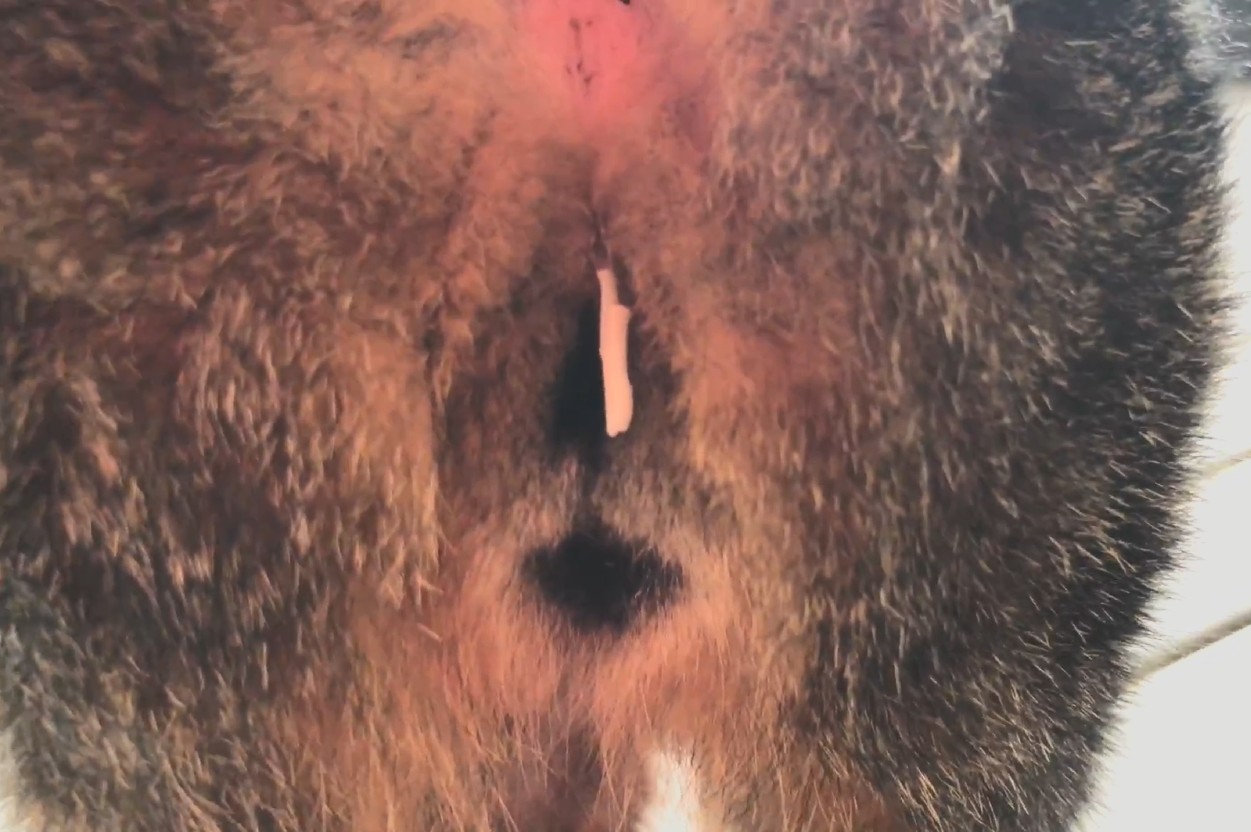
Unlike dogs, cats usually bury their poop, so owners rarely notice tapeworm segments in the litter box.
Instead, they often find them where the cat rests.
Tapeworm Segments on Bedding
Many cat owners first discover the infection when they see dried segments on beds or furniture.
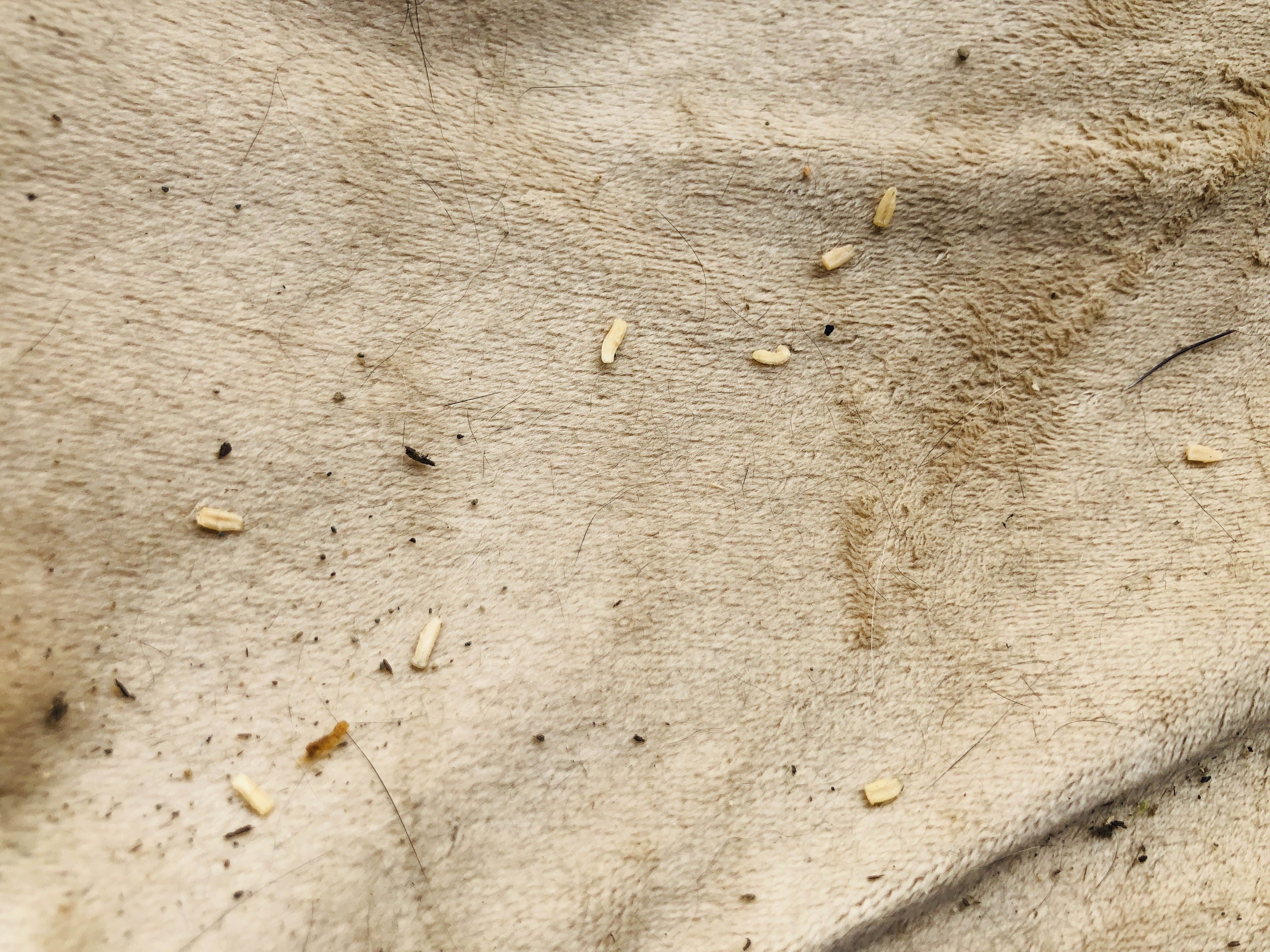
These segments may be:
- white or pale yellow
- about the size of rice
- sometimes moving when fresh
When dried, they may look like tiny sesame seeds.
Other Possible Symptoms
In some cases cats may also experience:
- mild weight loss
- irritation around the anus
- excessive grooming of the tail area
- occasional digestive upset
However, many cats show no obvious symptoms at all.
Are Tapeworms Dangerous for Cats?
Tapeworm infections are usually not life-threatening, especially when treated early.
However, leaving them untreated can lead to:
- ongoing parasite infection
- discomfort and itching
- spreading eggs to other animals
That's why treatment is recommended as soon as they are detected.
How Veterinarians Diagnose Tapeworms
Veterinarians usually diagnose tapeworms based on:
- visible segments
- stool sample testing
- physical examination
In many cases, simply seeing the segments is enough for diagnosis.
If possible, bring a sample or photo of the segments to your veterinarian.
Tapeworm Treatment for Cats
Fortunately, treatment is very simple and effective.
Veterinarians typically prescribe medications that kill the tapeworm.
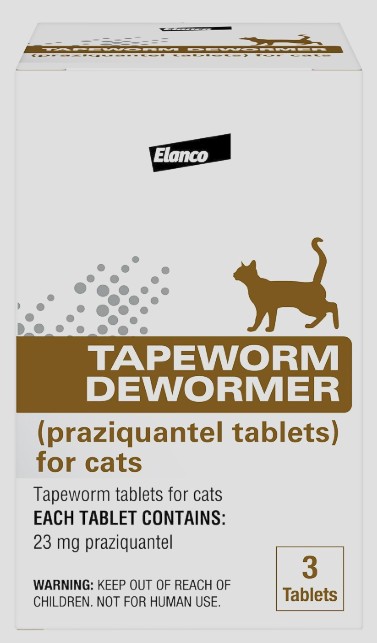
Cat Dewormer Tablets
Effective deworming treatment for cats. Targets tapeworms and other common intestinal parasites. Easy to administer. Veterinarian recommended for regular parasite control.
View on Amazon →These medications work by dissolving the worm inside the digestive system so it can no longer survive.
Most cats recover quickly after treatment.
Why Flea Control Is Essential
Since fleas are the main source of tapeworm infections, flea prevention is the most important step in stopping reinfection.
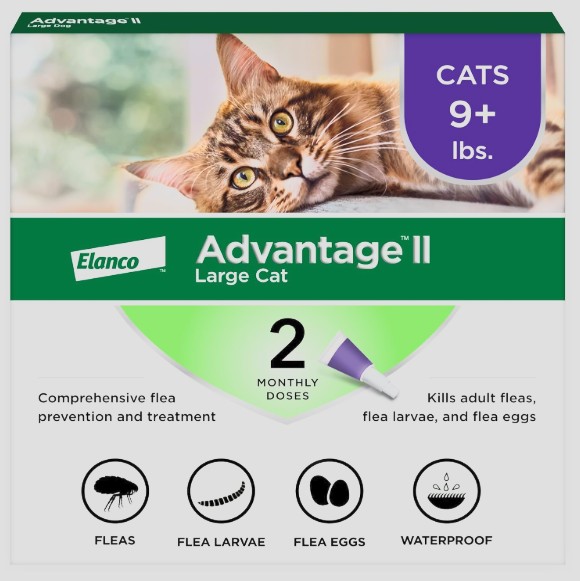
Cat Flea Prevention Treatment
Monthly flea prevention for cats. Kills fleas and prevents reinfestation. Easy to apply. Helps break the flea-tapeworm cycle and keeps your cat comfortable.
View on Amazon →Even indoor cats can occasionally get fleas, which is why regular flea prevention is recommended.
Checking Your Cat for Fleas
You can monitor your cat regularly using a flea comb.

Cat Flea Comb
Fine-toothed comb designed to detect and remove fleas. Helps you monitor your cat for flea infestations. Gentle on fur and skin. Essential tool for flea prevention.
View on Amazon →Signs of fleas include:
- small black specks (flea dirt)
- scratching
- irritated skin
- visible fleas moving through the fur
Catching fleas early helps prevent tapeworm infections.
How to Prevent Tapeworms
Preventing tapeworms is usually straightforward.
Maintain Flea Prevention
Regular flea prevention is the most effective protection.
Keep Bedding Clean
Wash your cat's bedding regularly to remove parasite segments.
Monitor Your Cat's Tail Area
Check around the tail and anus occasionally for unusual particles.
Schedule Routine Vet Checkups
Regular checkups help detect parasites early.
When Should You See a Veterinarian?
You should contact your vet if you notice:
- rice-like segments near your cat's tail
- tapeworm segments on bedding
- unexplained weight loss
- digestive issues
Prompt treatment will quickly eliminate the parasites.
Final Thoughts
Tapeworm infections in cats are surprisingly common, but they are also very treatable.
Most owners discover them when they see small rice-like segments around the cat's tail or on bedding, rather than in the litter box.
The good news is that with:
- proper deworming treatment
- effective flea prevention
- regular health checks
you can keep your cat healthy and parasite-free.
Staying aware of the signs makes it much easier to catch the problem early and protect your feline companion.
Affiliate Disclosure: This post contains affiliate links. If you purchase through these links, we may earn a small commission at no additional cost to you. We only recommend products we genuinely trust and believe will benefit your cats.