Sometimes your veterinarian may ask you to bring in a fresh urine sample from your cat for testing.
This is commonly done when a vet wants to evaluate:
- possible kidney disease
- urinary tract infection
- bladder inflammation
- diabetes
- abnormal urine concentration
Fortunately, collecting a urine sample at home is often easier than many cat owners expect.
With a little preparation, you can collect a usable sample without stressing your cat or making a mess.
Why Vets Ask for a Urine Sample
Urine testing (urinalysis) provides valuable information about your cat's health.
A urinalysis can help evaluate:
- kidney function
- hydration status
- urinary tract infections
- presence of blood
- protein leakage
- glucose levels
- urine concentration
Urine testing is frequently performed together with blood tests when veterinarians investigate kidney disease or other metabolic problems.
When You Might Need to Collect a Sample
Your veterinarian may ask for a urine sample if your cat shows symptoms such as:
- drinking more water than usual
- urinating more frequently
- large litter clumps
- weight loss
- reduced appetite
- blood in urine
- straining in the litter box
These signs may indicate urinary or kidney issues that require testing.
Best Time to Collect the Sample
The best urine sample is usually:
- fresh (within 2–4 hours)
- collected first thing in the morning
- stored in a clean container
If the sample cannot be delivered to the vet immediately, it can usually be refrigerated temporarily.
Always confirm timing requirements with your veterinarian.
Method 1: Non-Absorbent Litter (Recommended)
This is the easiest and most reliable home method.
What You Need
- clean litter box
- non-absorbent litter (plastic pellets, aquarium gravel, or special vet litter)
- syringe or small pipette
- clean container
Steps
- Empty and wash the litter box.
- Add a thin layer of non-absorbent litter.
- Wait for your cat to urinate normally.
- Use a syringe or dropper to collect the urine pooled in the box.
- Transfer the urine into a clean container.
This method works well because the urine stays on the surface instead of soaking into litter.
Method 2: Plastic Wrap Trick
Another common technique is using plastic wrap.
Steps
- Clean the litter box.
- Stretch plastic wrap across part of the box.
- Add a small amount of litter on top.
- When your cat urinates, the urine will pool on the plastic.
- Collect it with a syringe.
This method works best for cats who prefer their normal litter texture.
Method 3: Catching the Sample Directly
Some experienced owners collect urine mid-stream.
Tools
- ladle
- spoon
- shallow container
When the cat begins urinating, gently slide the container under the stream.
However, this method can be difficult and may startle some cats.
How Much Urine Is Needed?
Most veterinary clinics only require a small amount.
Usually:
- 5–10 ml is enough
- even a few milliliters can work
If unsure, ask your veterinary clinic before collecting the sample.
How to Store the Sample
Urine samples should be:
- stored in a clean sealed container
- refrigerated if not delivered immediately
- delivered within 4–6 hours if possible
Fresh samples provide the most accurate results.
What Vets Test in Cat Urine
A urinalysis may evaluate:
Urine Specific Gravity
Measures how concentrated the urine is.
This helps assess kidney function.
Protein
Protein in urine may indicate:
- kidney disease
- inflammation
- infection
Blood
Blood in urine may suggest:
- bladder inflammation
- infection
- urinary stones
Glucose
Glucose in urine may indicate diabetes.
Sediment Analysis
Microscopic exam of urine can detect:
- bacteria
- crystals
- inflammatory cells
When a Home Sample Is Not Enough
Sometimes veterinarians need a sterile urine sample.
In that case, they may collect urine using a method called:
Cystocentesis
This involves inserting a small needle directly into the bladder.
Although it sounds intimidating, it is:
- quick
- commonly performed
- generally safe
It allows veterinarians to obtain a sterile sample for bacterial culture.
Tips to Make the Process Easier
- Use a separate litter box if you have multiple cats.
- Keep the box in a quiet location.
- Watch for when your cat usually urinates.
- Prepare the syringe or container in advance.
Patience helps — most cats will use the litter box normally once it is set up.
Can Home Urine Test Strips Be Used?
Some owners use home urine test strips for basic screening.
These strips may detect:
- blood
- glucose
- pH changes
However, they cannot replace a veterinary urinalysis.
They may help identify abnormalities but cannot diagnose medical conditions accurately.
If anything unusual appears, a veterinary visit is still recommended.
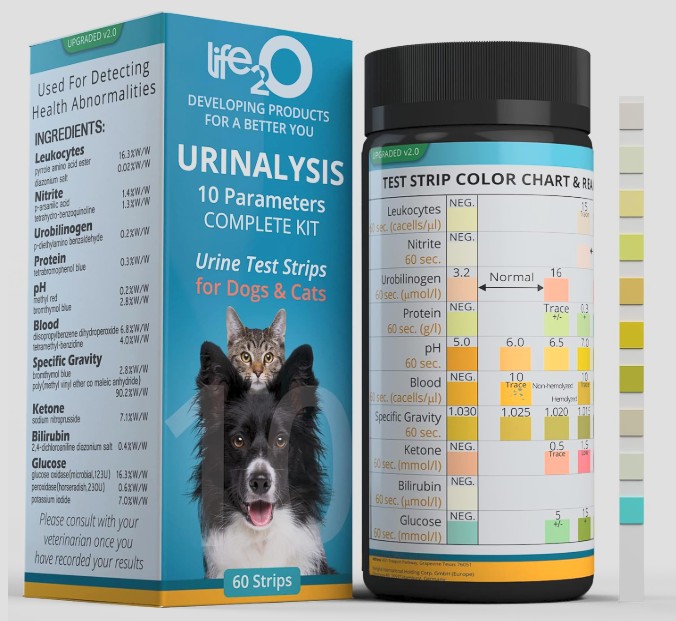
Home Urine Test Strips for Cats
At-home urine screening strips for cats. Can detect blood, glucose, and pH abnormalities. Useful as an early indicator between vet visits. Does not replace professional veterinary urinalysis.
View on Amazon →Key Takeaway
Collecting a urine sample at home is often simple with the right preparation.
The most effective approach is using non-absorbent litter, which allows urine to pool in the litter box so it can be easily collected.
Urinalysis plays an important role in diagnosing:
- kidney disease
- urinary infections
- diabetes
- bladder problems
When combined with blood tests and physical exams, urine testing helps veterinarians gain a clearer picture of your cat's health.
Affiliate Disclosure: This post contains affiliate links. If you purchase through these links, we may earn a small commission at no additional cost to you. We only recommend products we genuinely trust and believe will benefit your cats.