Kidney disease is one of the most common health problems in cats, especially senior cats. One reason it is so dangerous is that the early stage often has no obvious symptoms at all. Many cats seem normal at home while their kidneys are already losing function.
That is why routine wellness exams, bloodwork, urine testing, and blood pressure checks matter so much for cats as they age. In many cases, early kidney disease is first found on lab work, not from dramatic symptoms at home.
Why Kidney Disease in Cats Is Easy to Miss
In the early stages of chronic kidney disease, a cat's body can often compensate for reduced kidney function. That means your cat may still look comfortable, still walk around normally, and still act mostly like themselves. This is one reason chronic kidney disease is commonly discovered during routine testing rather than after a clear crisis.
As kidney function declines further, the kidneys lose their ability to concentrate urine effectively. That leads to one of the most common early patterns owners notice: drinking more and peeing more.
Early Signs of Kidney Disease in Cats
Not every cat shows the same pattern, and some cats show almost nothing early on. But these are the most common warning signs owners should watch for.
1. Drinking More Water Than Usual
A cat who suddenly starts visiting the water bowl more often may be trying to compensate for kidneys that are no longer concentrating urine well. Increased thirst is one of the classic signs reported with feline chronic kidney disease.
Things owners may notice:
- Water bowls emptying faster
- More interest in sinks or fountains
- Asking for fresh water more often
- Drinking in places they did not before

Cat Water Fountain
Encourages cats to drink more water with flowing fountain design. Helps prevent dehydration and supports urinary and kidney health. Quiet operation and easy to clean.
View on Amazon →2. Peeing More Often or Producing Larger Clumps
If you use clumping litter, one practical sign is that the urine clumps may become larger or more frequent. Increased urination is one of the most common early changes as kidney concentrating ability falls.
You may notice:
- Bigger litter clumps
- Litter box getting dirty faster
- More urine spots in multi-cat homes
- A cat returning to the box more often
3. Gradual Weight Loss
Weight loss is a common sign of chronic kidney disease in cats. Sometimes it is subtle and happens over months, which is why it can be missed if you are only judging by appearance. Regular weigh-ins are extremely useful for catching this early.
For many owners, this shows up as:
- Feeling more spine or hip bones
- A slightly narrower face
- Less muscle over the back
- Looking "older" or thinner without an obvious cause
4. Reduced Appetite
As kidney disease progresses, cats may show decreased appetite. Loss of proteins and vitamins in urine may contribute to abnormal metabolism and appetite loss.
This may look like:
- Leaving food behind
- Becoming pickier than usual
- Eating treats but not meals
- Walking to food, sniffing, then leaving
5. Lethargy or Lower Energy
Cats with kidney disease may become more tired, less playful, or less interactive. Lethargy is commonly listed among the signs of chronic kidney disease in cats.
Possible clues:
- Sleeping more than usual
- Less interest in toys
- Not following you around as much
- Less interest in jumping or climbing
6. Vomiting or Nausea
Vomiting can occur as kidney disease becomes more advanced, but it may also appear earlier in some cats. Nausea, decreased appetite, and intermittent vomiting are all recognized signs associated with kidney disease in cats.
This is especially worth paying attention to if it happens together with:
- weight loss
- reduced appetite
- increased drinking
- increased urination
7. Poor Coat Quality or Less Grooming
A cat who feels unwell may groom less. While poor coat quality is not specific to kidney disease, older cats and chronically ill cats often show reduced grooming effectiveness. If this appears alongside thirst, urination changes, weight loss, or appetite loss, it is more concerning.
8. High Blood Pressure-Related Changes
High blood pressure is a common complication in senior cats and may occur with kidney disease. In some cases, eye changes or other signs of hypertension may be found during a veterinary exam before owners notice obvious problems at home.
This is one reason blood pressure checks are valuable in older cats.
What Symptoms Are Not Typical Early Kidney Disease Signs?
Some urinary symptoms can point more toward lower urinary tract disease than kidney disease.
For example, these signs are more typical of bladder or lower urinary tract problems:
- straining to urinate
- crying in the litter box
- passing only tiny amounts frequently
- obvious blood in the urine
- repeated trips in and out of the box with little produced
Those patterns are more consistent with lower urinary tract disease and can become urgent, especially in male cats.
That distinction matters because many owners assume "any pee issue = kidneys," but that is not always true.
The Most Important Early Sign: Often There Is No Sign
This is the point many cat owners miss.
Some cats with early kidney disease show no clear symptoms at all. Stage 1 chronic kidney disease may have no easily visible signs, and early chronic kidney disease is commonly found through laboratory testing.
That is why annual or twice-yearly senior cat screening is so important.
When Should Cats Be Screened?
Senior cats are at higher risk for chronic kidney disease, and wellness guidance for older cats supports regular health checks, with blood pressure measurement at least once or twice a year in senior cats.
A practical rule for owners is:
- Adult cats: discuss baseline bloodwork with your vet
- Senior cats: annual screening at minimum
- Older senior cats or cats with trends: often every 6 months, depending on the veterinarian's plan
What Tests Help Detect Kidney Disease Early?
Veterinarians typically do not rely on just one number. They look at the full picture.
Common tests include:
Blood Chemistry Panel
This often includes:
- SDMA
- Creatinine
- BUN
- Phosphorus
- Electrolytes
SDMA is especially useful because it may increase earlier than creatinine in some cats.
Urinalysis
Urine testing helps assess how well the kidneys are concentrating urine and whether protein, infection, or other abnormalities are present.
Blood Pressure
High blood pressure is important to screen for in senior cats and cats with suspected kidney disease.
Trend Comparison Over Time
One result is helpful. Two or three years of results are much better.
Trending values over time can reveal gradual changes that still sit inside the "normal" lab range but are no longer normal for that individual cat. This is why comparing one year to the next is so valuable.
What To Do If You Notice Early Signs
If you notice increased thirst, larger litter clumps, weight loss, lower appetite, or unexplained lethargy, the next step should be a veterinary visit rather than trying to manage it blindly at home. Kidney disease shares symptoms with several other conditions, including hyperthyroidism and diabetes, so proper testing matters.
Your vet may recommend:
- blood chemistry
- CBC
- urinalysis
- urine protein testing
- blood pressure
- sometimes imaging, depending on the case
Can Home Urine Test Strips Help?
Home urine test strips may sometimes detect broad abnormalities such as blood, glucose, or pH changes, but they are not a substitute for a veterinary urinalysis and are not enough to diagnose chronic kidney disease. A vet urinalysis provides much more clinically useful information.
They are best used as:
- a rough at-home screening tool
- not a diagnosis
- not a replacement for urine specific gravity, protein evaluation, sediment exam, culture, or bloodwork
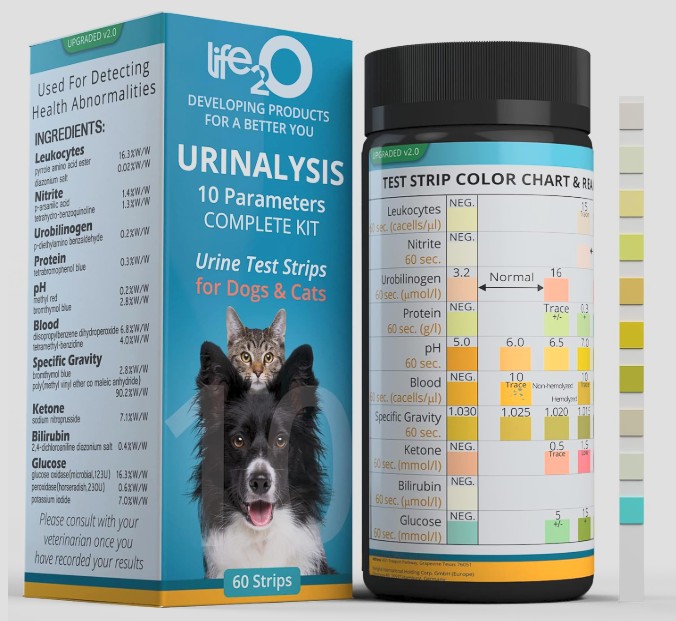
Home Urine Test Strips for Cats
At-home urine screening strips for cats. Can detect blood, glucose, and pH abnormalities. Useful as an early indicator between vet visits. Does not replace professional veterinary urinalysis.
View on Amazon →Key Takeaway
The early signs of kidney disease in cats are often subtle:
- drinking more
- peeing more
- gradual weight loss
- lower appetite
- lethargy
- occasional vomiting
But one of the most important truths is that many cats show no obvious signs early on. That is exactly why annual bloodwork, urine testing, and blood pressure checks become so important as cats get older.
Catching kidney disease early gives you and your veterinarian the best chance to monitor progression, improve hydration and nutrition, and support long-term quality of life.
Frequently Asked Questions
Can a cat have kidney disease with normal behavior?
Yes. Early chronic kidney disease in cats may have no obvious clinical signs, which is why routine lab testing is so valuable.
Is drinking more water always kidney disease?
No. Increased thirst can also occur with other conditions such as diabetes, hyperthyroidism, or other illnesses, so a veterinary exam is needed to find the cause.
Is straining in the litter box a sign of kidney disease?
Usually that pattern points more toward lower urinary tract disease than chronic kidney disease, especially if the cat is producing only small amounts or seems painful.
What age should cats start annual bloodwork?
This depends on the veterinarian and the cat's health status, but screening becomes especially important in senior cats, and senior wellness guidance supports more regular monitoring as cats age.
Affiliate Disclosure: This post contains affiliate links. If you purchase through these links, we may earn a small commission at no additional cost to you. We only recommend products we genuinely trust and believe will benefit your cats.